
Writing
Where AI ambition meets the state of a company's data
Below are pieces I posted first to LinkedIn and reproduced here in full. Each one links back to the original, where the comments are. Further down, I highlight some of the people who influence my thinking.
-
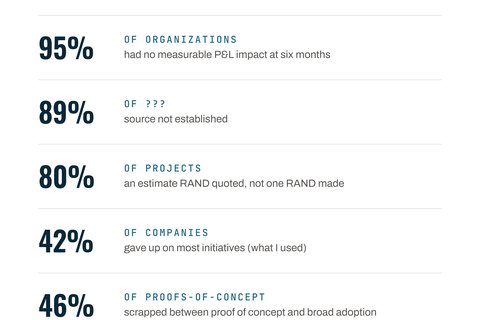
A confession about 42%
Ask for the document, not the statistic. If nothing comes back that contains the number, you don't have a number.
-
The career that didn't exist yet
My favorite part: seeing the look that people get when I tell them something about their business that they didn't already know.
-
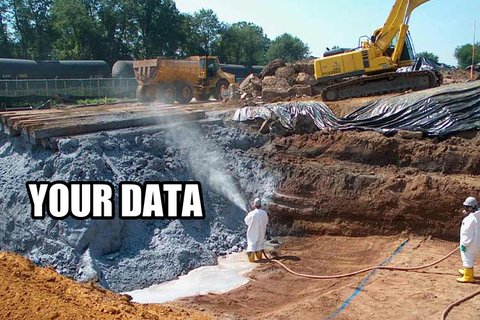
What lies beneath an AI project?
A Phase II's output is not clean data. It is a cost estimate and scope for the cleanup.
-
· Part 3 of 3
The Data Project You Killed Would Pass Today
You're funding one use case with a number attached. The data foundation arrives as a byproduct.
-
· Part 2 of 3
Customer Analytics Is Worth Another Look
The case for customer analytics depends on whether the answers justified the cost of finding them. In two years, both sides of that calculation have changed.
-
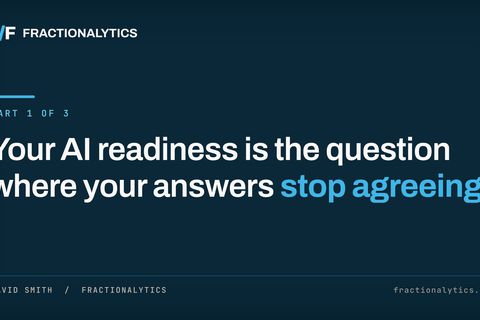
· Part 1 of 3
How Many Customers Do You Have?
How far you get before the answers start depending on who you ask is the most useful read on AI readiness I know.
-
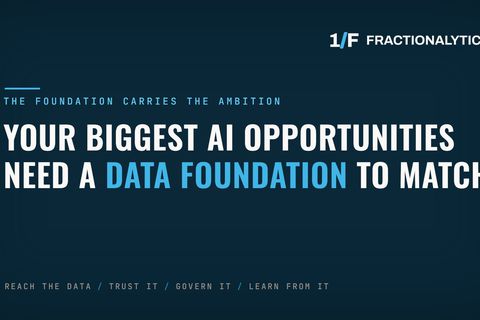
The more ambitious you get with AI, the faster you hit a wall
The early pilots work. That is exactly why the next thing does not.
-
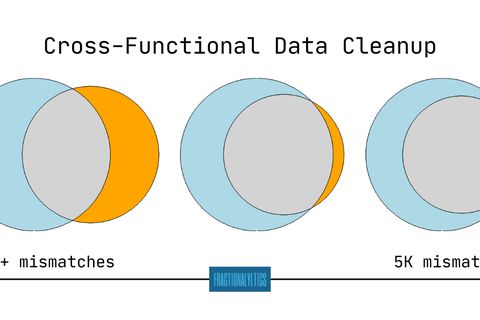
The Unsexy Data Work That Actually Matters
How we fixed 300K+ mismatches to unlock marketing automation. Cross-functional data cleanup requires leadership and teamwork.
-
Look at the Stars, Look How They Shine for You
What customer analytics actually is, and why companies should care about it.
-
Smells Like Team Spirit
What I learned founding a data team, and recruiting and leading its people.
-
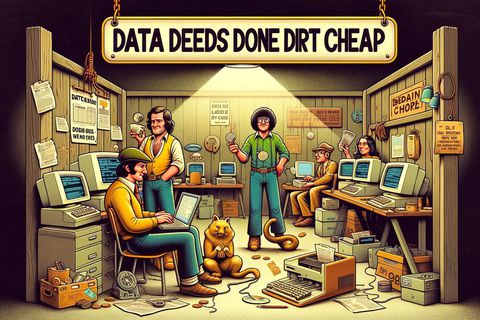
Data Deeds Done Dirt Cheap
A comprehensive review of the data practice I built at a venture firm, and everything it touched.


Some of the people I read
I credit the people whose work I draw on. These four turn up most often in how I think about this.
-
Dylan Anderson, The Data Ecosystem
Dylan posts weekly and consistently provides helpful framing for the challenges facing data strategists. And he has good memes.
Direction without execution is wishful thinking. Execution without direction is just expensive activity.
-
Ankita Chatrath, Substack
Ankita writes about what it actually takes to get AI into production, usually in regulated industries. She named the problem I run into most often, which is the same word meaning different things to different teams.
The technology is a multiplier. What it multiplies is whatever the organization already is.
-
Joe Reis, joereis.substack.com
Joe co-wrote Fundamentals of Data Engineering. His argument is that AI is electricity, not the dot-com bubble: factories bought electric motors in the 1890s and productivity did not move until the 1920s, because the buildings had to be redesigned around them first. It is the best answer I know to why the pilots work and the next thing does not.
We're in 1905. The electric motor works, and everyone's bought one.
-
Ben Rogojan, SeattleDataGuy's Newsletter
Ben is the most practical of the four on what data work actually involves once you are inside a company and the mess is somebody's job.
The hard part is rarely clicking the buttons.
There is also The Ladder Check, a six-question self-assessment built out of the first two pieces, if you would rather answer questions about your own company than read about somebody else's.